Source non-slip kitchen washing pot brush for pots pans and sinks
Compare 30 listings for the non-slip kitchen washing pot brush featuring plastic handles and palm fiber heads. Buyers can evaluate customization options, MOQs, and delivery times from Zhejiang suppliers.
Key considerations
Products List


Plastic Sink Pot Cleaning Dish Brush, Heavy Duty Cleaning Non-Scratch Brush
$0.14 - $0.16
MOQ: 3000 Pieces


Kitchen Removes Stains Handled Washing Pan Cup Pot Plastic Dish Cleaning Brush
$0.16 - $0.18
MOQ: 3000 Pieces


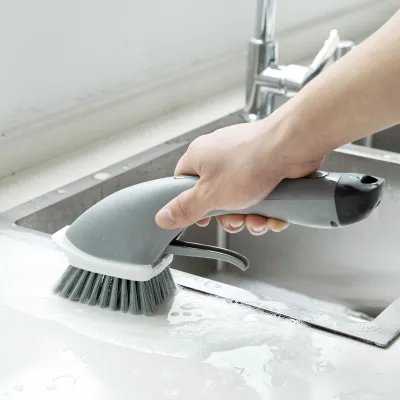





Plastic Kitchen Handle Dish Washing Brush/ Kitchen Brush/Plastic Pot Brush
$0.20 - $0.50
MOQ: 5000 Pieces


Comprehensive Sourcing Guide
Non-Slip Kitchen Washing Pot Brush Sourcing Guide
Sourcing non-slip kitchen washing pot brushes requires a careful balance between ergonomic design, material durability, and functional efficiency. These tools are essential for removing stubborn food residue from cookware without damaging non-stick coatings or stainless steel surfaces. Buyers must prioritize brushes that offer a secure grip to prevent accidents during wet conditions, while ensuring the bristle material is both effective and safe for various pot types. The market offers a wide range of options, from traditional palm fibers to modern synthetic sponges, each with distinct advantages in terms of cleaning power and environmental impact.
The procurement process involves evaluating multiple product attributes, including handle material, brush head composition, and overall dimensions. Suppliers often provide customization options for branding and packaging, which is crucial for private label projects. However, buyers must verify that these customizations do not compromise the structural integrity or hygiene standards of the product. Understanding the specific use cases, such as heavy-duty scrubbing versus gentle dishwashing, helps in selecting the right product specifications. This guide outlines the key considerations for sourcing high-quality non-slip pot brushes, ensuring that procurement decisions are based on verified data and industry best practices.
Product Scope and Observed Listing Signals
The current market landscape for kitchen cleaning brushes includes a variety of designs tailored to different cleaning needs. Observed listings indicate a price range of $0.11 to $3.04 USD, reflecting the diversity in materials and manufacturing complexity. Minimum Order Quantities (MOQs) vary significantly, ranging from 2 units for sample orders to 5,000 units for bulk production. This wide range allows buyers to test market demand with low-risk samples before committing to large-scale orders. The presence of both stocked and customized products suggests a flexible supply chain capable of meeting immediate needs and long-term branding goals.
Product names and keywords highlight the functional focus of these items, with terms like "Pot Brush," "Dish Brush with Wooden Handle," and "Plastic Dish Cleaning Brush" being common. Materials observed include plastic handles, palm fiber heads, and sponge components, each offering unique cleaning characteristics. For instance, palm fiber brushes are often marketed as eco-friendly alternatives, while sponge brushes provide a softer touch for delicate surfaces. The color options range from unicolor to multicolor, allowing for visual differentiation in retail settings. Buyers should note that while some products are described as "non-slip," this attribute is often inferred from the handle design rather than explicitly stated in all listings.
Technical Specifications to Verify
Verifying technical specifications is critical to ensuring the product meets functional requirements. Key attributes to confirm include the brush handle material, which is typically plastic or wood, and the brush head material, such as palm fiber or sponge. The dimensions of the product are also important, with observed standards ranging from 27x7.5x5 cm to 29.5x9.5x6.2 cm. These dimensions affect the ergonomics and ease of use, particularly for users with smaller or larger hands. Buyers should request detailed product datasheets to confirm these measurements and ensure consistency across production batches.
Packaging and labeling specifications are another area requiring verification. Products may be packed in poly bags, tie cards, or hang tags, depending on the supplier and target market. The single gross weight of products, such as 0.280 kg for certain models, impacts shipping costs and storage requirements. Additionally, the model numbers, such as K8139, S1, and KCSK-0035, serve as unique identifiers for tracking and quality control. Buyers should ensure that the packaging is durable enough to protect the product during transit and that the labeling complies with local regulations, including language and safety warnings.
Compliance and Safety Documentation
Compliance with safety and quality standards is paramount in the kitchenware industry. Buyers must verify that suppliers hold relevant certifications, such as BSCI, which indicates adherence to social compliance standards. While specific material safety certifications are not always listed, buyers should request documentation confirming that the materials used are food-safe and free from harmful chemicals. This is particularly important for brushes that come into direct contact with food and water. Suppliers should be able to provide test reports or material safety data sheets (MSDS) upon request.
Environmental considerations are also increasingly important in procurement decisions. Some products are marketed as eco-friendly, often due to the use of natural materials like palm fiber. Buyers should inquire about the sourcing of these materials and the sustainability practices of the supplier. Additionally, the production process should comply with local environmental regulations, particularly in regions like Zhejiang, China, which is a common origin for these products. Ensuring that the supplier has a robust environmental management system can mitigate risks associated with regulatory changes and enhance brand reputation.
Cost Drivers and Commercial Terms
Understanding the cost drivers is essential for effective budgeting and negotiation. The primary factors influencing price include the material quality, manufacturing complexity, and order volume. Plastic handles and synthetic sponges are generally more cost-effective than natural materials like wood or palm fiber. Customization options, such as logo printing and unique packaging, can also increase the unit price. Buyers should negotiate based on volume discounts and seek clarity on any additional fees for tooling or setup.
Commercial terms, including lead times and payment conditions, vary among suppliers. Observed delivery times range from 35 to 50 days after confirmation, which buyers must factor into their inventory planning. Sample lead times are typically 7-14 days for customized samples, allowing for timely evaluation. Payment terms should be negotiated to balance risk and cash flow, with common options including Telegraphic Transfer (TT) or Letter of Credit (LC). Buyers should also clarify responsibilities for shipping and insurance, particularly for international orders, to avoid unexpected costs.
Supplier Qualification and Quality Control
Supplier qualification is a critical step in mitigating procurement risks. Buyers should conduct thorough due diligence, including verifying the supplier's business license, production capacity, and quality management systems. Suppliers located in Zhejiang, China, often have established supply chains and manufacturing expertise, but buyers should still assess their specific capabilities. Requesting references or case studies from previous clients can provide insights into the supplier's reliability and performance. Additionally, on-site audits or third-party inspections can verify production conditions and quality control processes.
Quality control measures should be implemented throughout the production process. Buyers should define clear quality standards and inspection criteria, including visual checks, functional tests, and packaging integrity. Pre-production samples should be approved before mass production begins to ensure alignment with specifications. During production, random sampling and statistical process control can help identify and address defects early. Post-production inspections should verify that the final products meet all agreed-upon standards before shipment. Establishing a clear communication channel for addressing quality issues is also essential for maintaining a productive supplier relationship.
Long-Term Procurement Checks
Long-term procurement success depends on continuous monitoring and relationship management. Buyers should establish key performance indicators (KPIs) to track supplier performance, including on-time delivery, product quality, and responsiveness to issues. Regular reviews of these metrics can help identify areas for improvement and reinforce accountability. Building a strong relationship with the supplier can lead to better pricing, priority production, and collaborative innovation. Buyers should also stay informed about market trends and technological advancements in kitchenware to remain competitive.
Risk management is another critical aspect of long-term procurement. Buyers should diversify their supplier base to mitigate the impact of supply chain disruptions. Developing contingency plans for potential issues, such as material shortages or production delays, can ensure business continuity. Additionally, staying updated on regulatory changes and industry standards is essential for maintaining compliance. By proactively addressing these challenges, buyers can build a resilient and efficient procurement strategy that supports long-term business growth.
FAQs
Can I request a customized sample for this pot brush?
Yes, customized samples are available with a lead time of 7 to 14 days. This option allows buyers to verify product quality and design before committing to a larger order volume.
What is the minimum order quantity for these cleaning brushes?
The minimum order quantity varies by product, typically ranging from 2 to 5000 units. Specific models like the Pot Brush require 3000 units, while others may have different thresholds.
Which certifications do these kitchen cleaning brushes hold?
The products are certified with BSCI standards to ensure ethical manufacturing practices. This certification confirms that the suppliers adhere to specific social compliance requirements for international trade.
How long does delivery take after order confirmation?
Delivery typically takes 35 to 50 days after the order is confirmed. This timeframe accounts for production scheduling and logistics preparation for bulk shipments from the manufacturing origin.
What materials are used for the brush handles?
Brush handles are commonly made from plastic, though some models feature wooden handles. The choice of material depends on the specific product model and customization requirements selected by the buyer.
Can the supplier accept OEM and ODM requests?
Yes, the supplier accepts OEM and ODM services for products, logos, and packaging. This flexibility allows buyers to brand the items according to their specific market needs and design preferences.
Where are these kitchen gadgets manufactured?
These items originate from Zhejiang, China, which is a major hub for manufacturing kitchen supplies. The location ensures access to established supply chains and efficient production capabilities for export.